Projects
A selection of engineering and applied-ML projects, spanning embedded systems, computer vision,
speech, and reinforcement learning. More on my
GitHub.
Vision-Language-Action Models · Robot Learning · Benchmarking
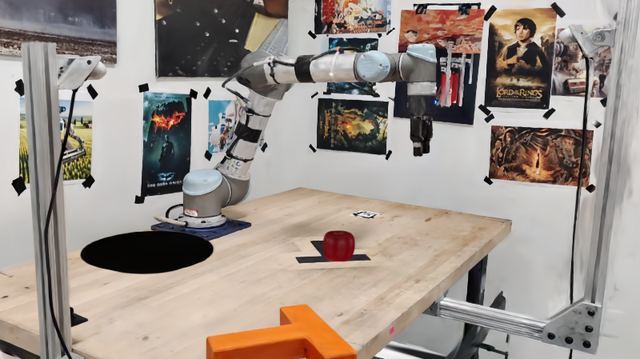
Ran the stock OpenVLA-7b checkpoint zero-shot in a robosuite pick-up task, and the
official LIBERO-Spatial fine-tuned OpenVLA-OFT checkpoint across all ten LIBERO-Spatial
tasks, on a local two-GPU workstation with a simulated Franka Panda. The fine-tuned OFT
policy closed the pick-and-place loop 29 times out of 30; the zero-shot generalist,
transplanted into a simulator it never trained on, mostly reached toward the target
and stalled.
Imitation Learning · Diffusion Policies · Robot Learning
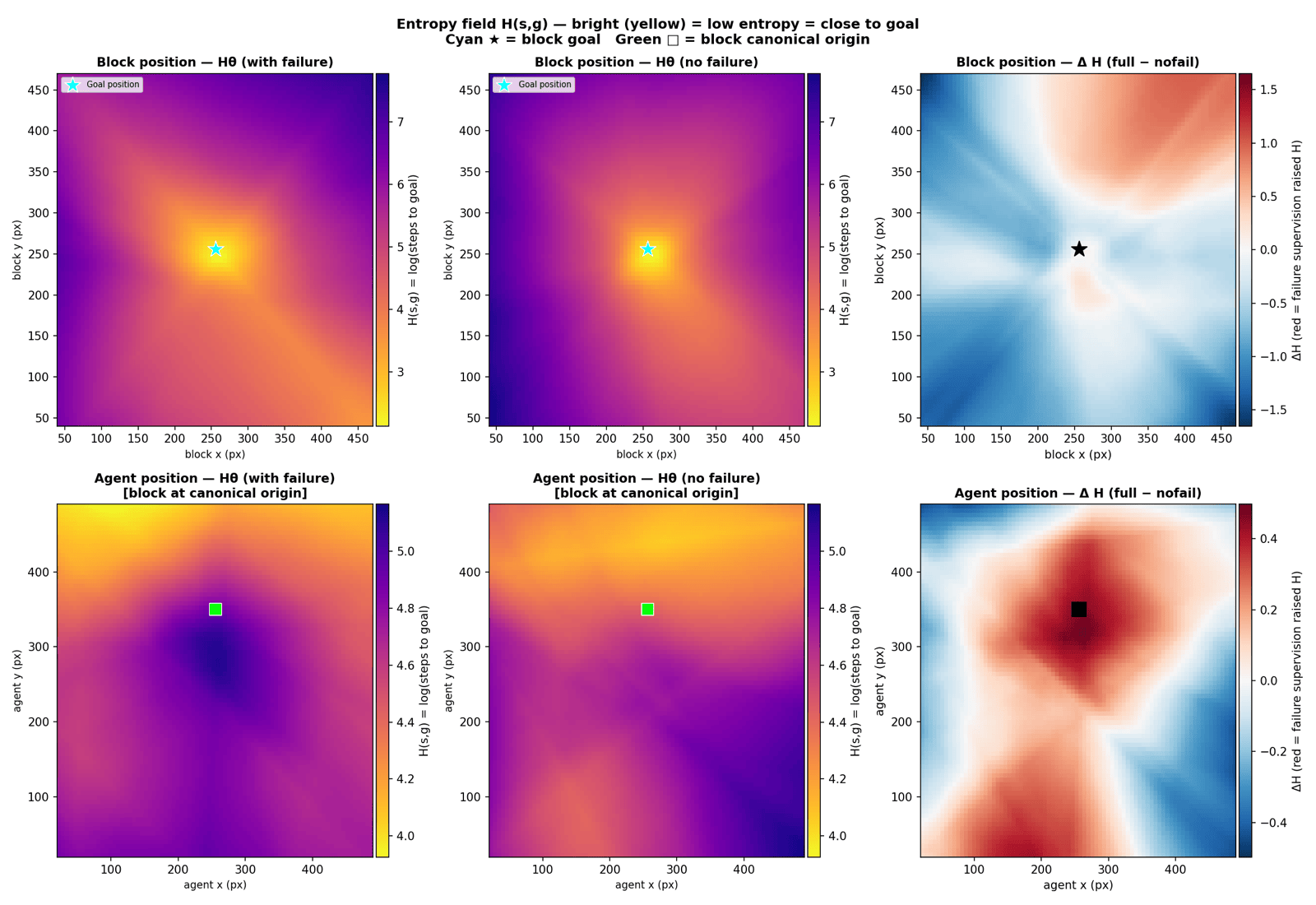
An imitation-learning policy trained to minimize a single quantity — goal-reachability
entropy — instead of imitating actions or maximizing reward, paired with a diffusion-style
action sampler. On the Push-T benchmark, adding a handful of labeled failure demonstrations
turns this into the only method that survives an adversarial starting position, where every
baseline scores at or near zero.
Diffusion Models · Action Generation · Robot Learning
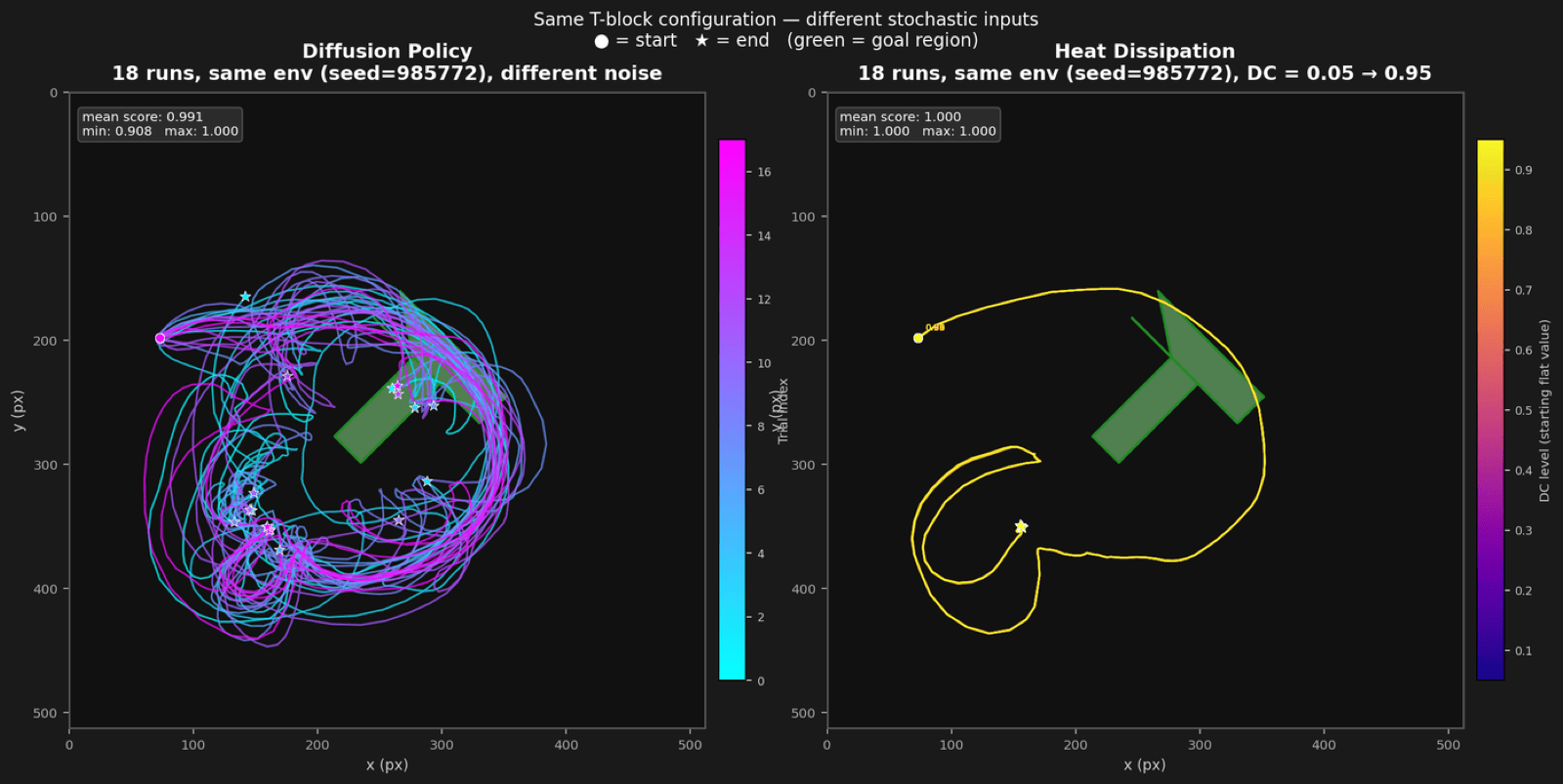
An alternative to Gaussian diffusion for generating robot action trajectories: corrupt the
action chunk with the heat equation instead of noise, so fine detail is destroyed first and
coarse structure survives longest. The central finding — trained the naive way, the policy
never learns at all (0.000 eval score for 100 epochs); augmenting the training data's DC
(mean) offset is the fix, and not a tuning knob but a mathematical precondition.
Generative Models · Image Synthesis
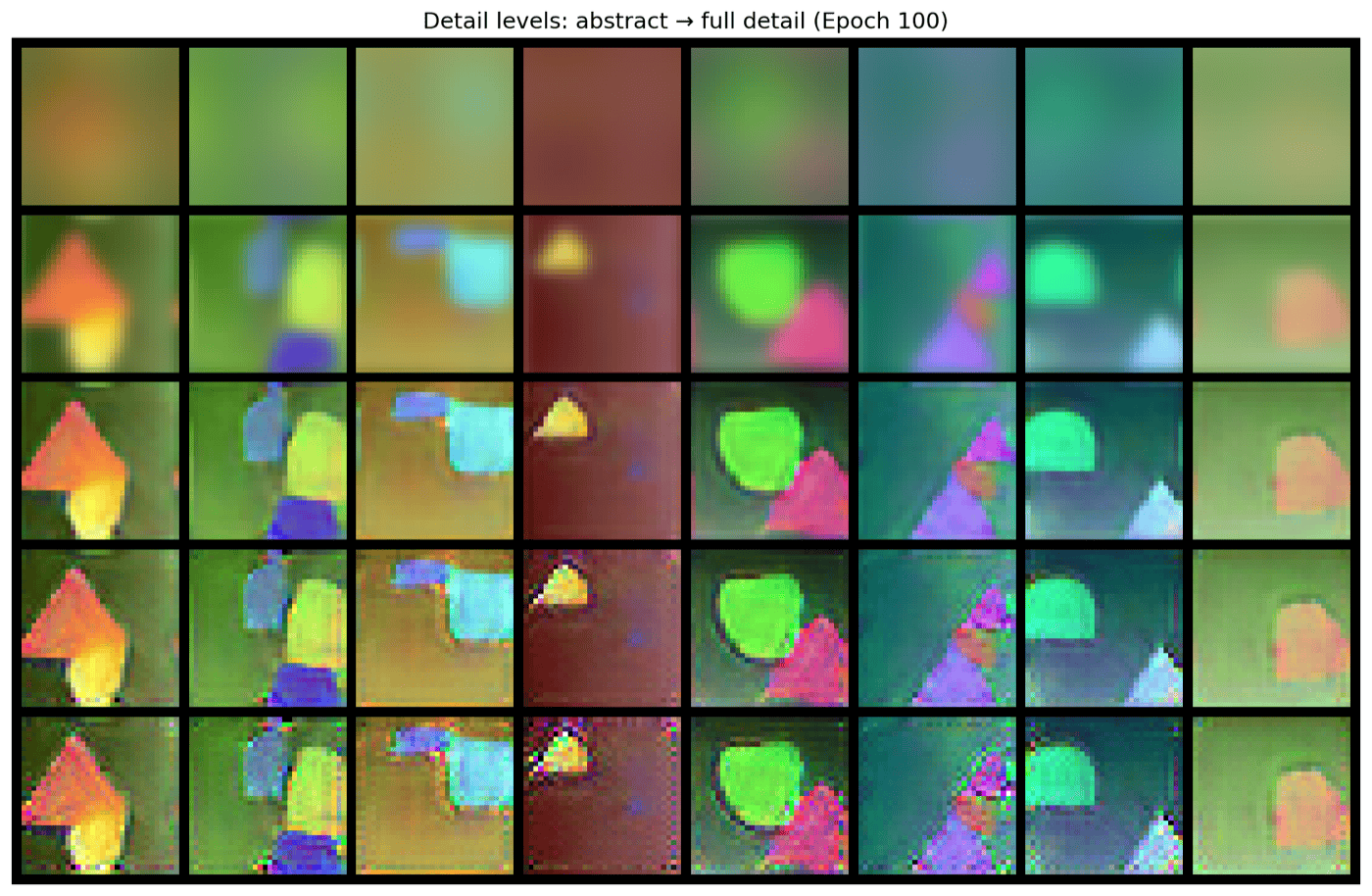
The same heat-dissipation idea applied to pixels instead of robot actions: a U-Net learns
to reverse a deterministic heat-equation blur and recover clean images. Verifies the
underlying physics directly — exact mass conservation and complete high-frequency decay
by the final timestep — and is candid about where it falls short: pure generation from a
flat field is visibly noisier than reconstructing a real, heavily blurred image.
Generative Models · Video Prediction
Tests the hypothesis that consecutive video frames have near-constant spectral entropy
(confirmed: ~1.2% mean frame-to-frame change), then trains a next-frame flow model with
an explicit entropy-conservation loss. Honest about the limit of that idea too: even
with the loss in place, autoregressive rollouts still drift by 30% in entropy after 40
steps — conserving entropy step-to-step doesn't guarantee it over a long chain of the
model's own predictions.
Gaussian Splatting · Sim2Real · Bring-Up Log
Field notes from installing and extending SplatSim,
a Gaussian-splatting robot simulator that renders physics-driven robot motion with
photorealistic, photo-scanned visuals. Covers a dead upstream dependency, a 30-minute
server silence that looked like a hang but wasn't, and — since the captured room can't be
swapped out any other way — a green-screen technique that forces every Gaussian outside the
robot's bounding box invisible, then composites in any new backdrop in about two minutes.
World Models · Synthetic Data · Cosmos3
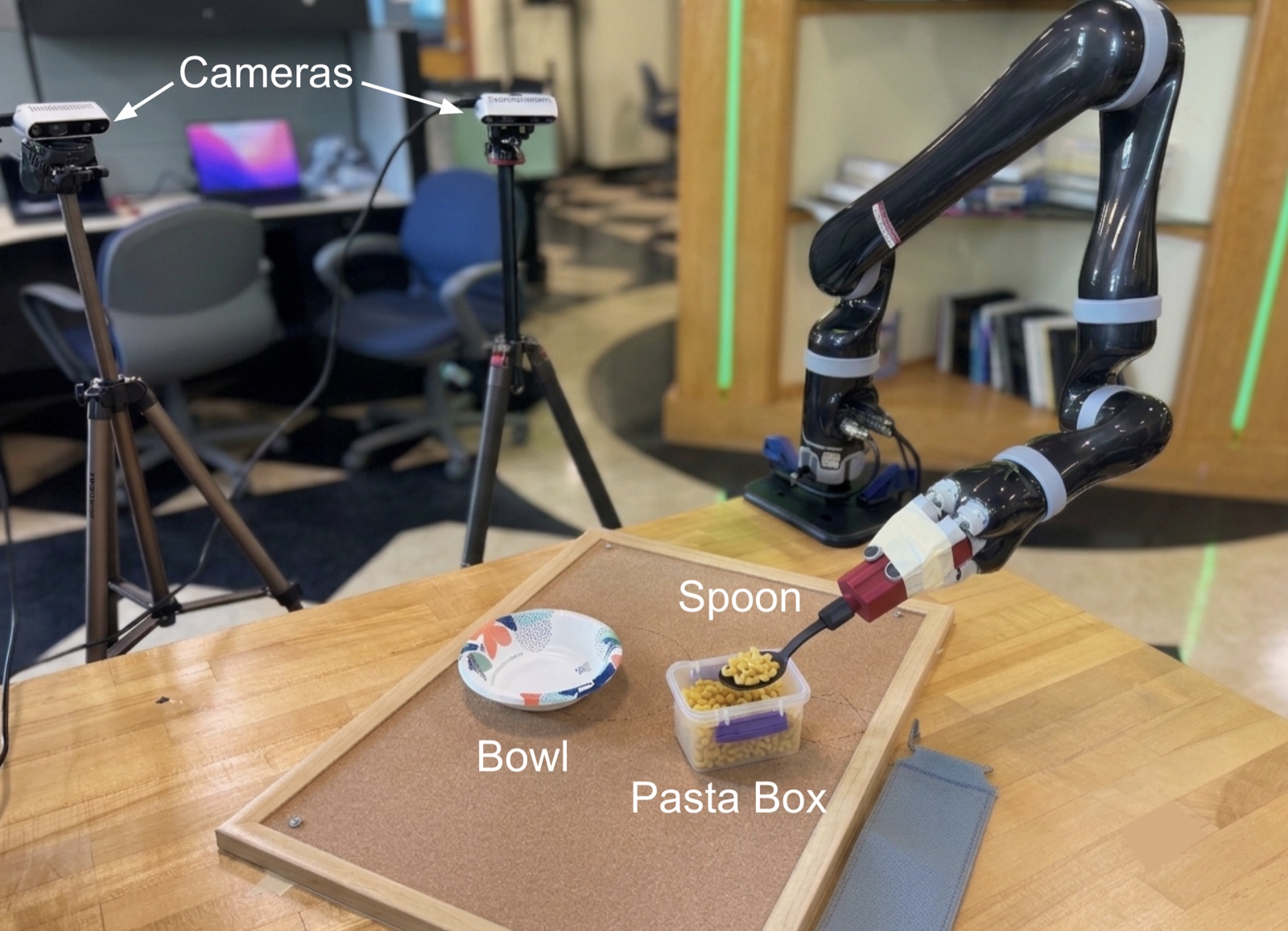
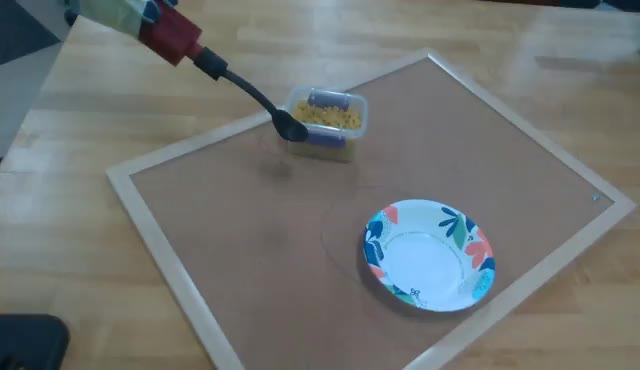
An applied experiment log testing whether NVIDIA's Cosmos3 world model can generate usable
synthetic episodes for a real Kinova Jaco2 pasta-scooping task. Exact trajectory
conditioning works well for short clips but collapses into artifacts when chained into
longer rollouts; a single photo plus a one-sentence task description turned out to be the
strongest result, producing a coherent, drift-free clip that was then successfully
re-tracked end-to-end with Depth Anything and FoundationPose — closing the loop from
"photo + sentence" to validated action labels with no ground truth in between.
YOLOv8 · Document Transformers · Deployed System
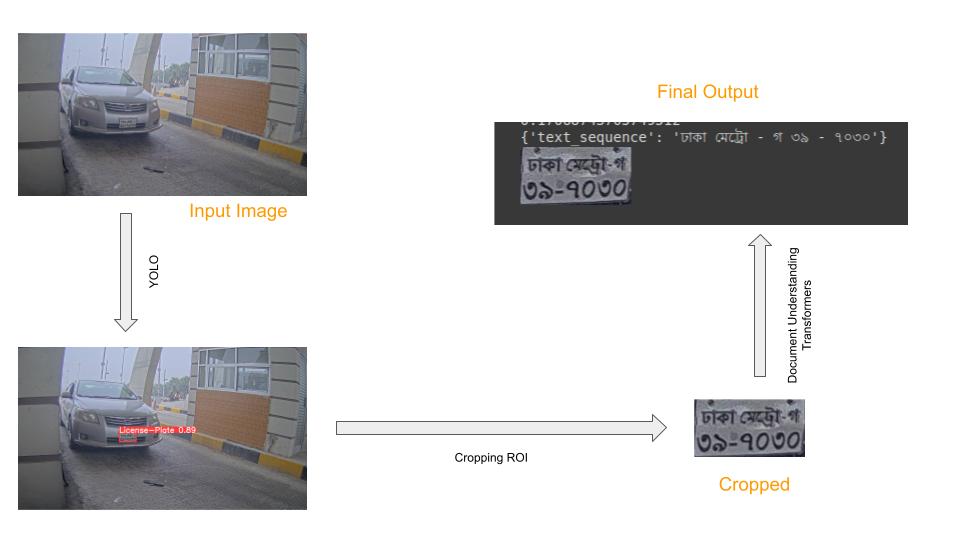
A production license-plate detection and recognition system deployed at
Kalna Bridge Toll Plaza. YOLOv8 localizes
plates, and a document-understanding transformer — trained on 2M synthetic plates and then
fine-tuned on real data — reads the Bengali text, outperforming traditional OCR. Three
cameras at different angles feed a majority-voting scheme to reduce misprediction.
IoT · Embedded Systems · Remote Sensing
A small hardware bolus placed inside a cow's stomach for up to five years, sending movement,
temperature, and other health data to a remote server, where an AI system estimates the
current health condition of the herd for dairy farms.
Embedded Hardware · GSM/MQTT · Firebase
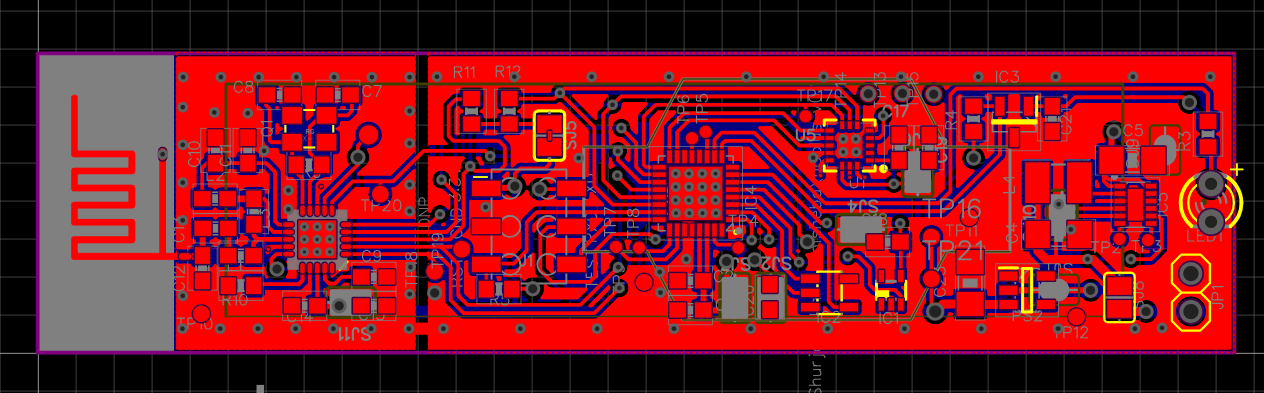
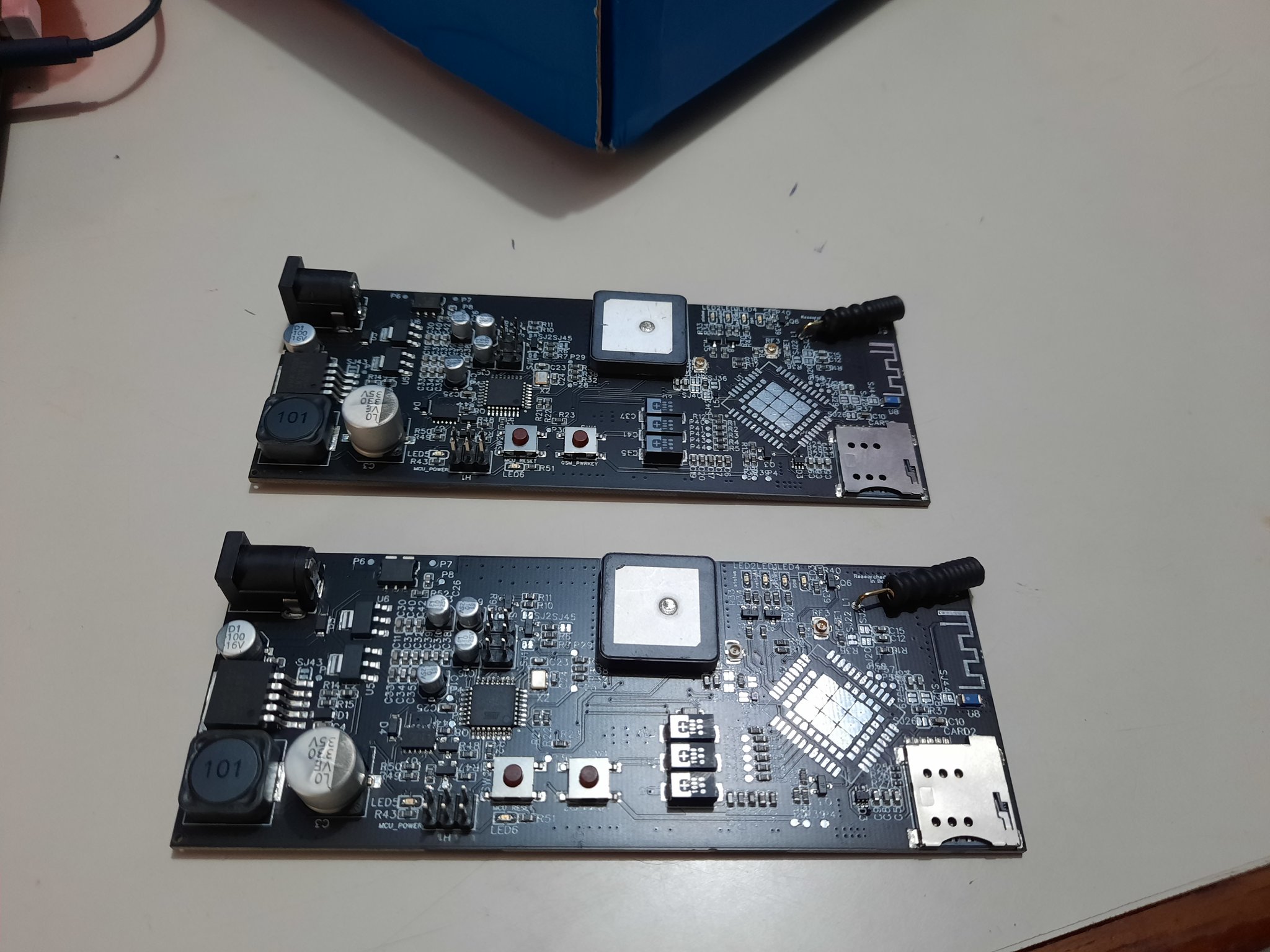
A vehicle-tracking device combining voltage, current, accelerometer, and GPS sensing,
connected over GSM and pushing data to Firebase via MQTT. Users track and monitor their
vehicle's movement and power state through a companion app.
Power Electronics · MOSFET Drivers · Arduino
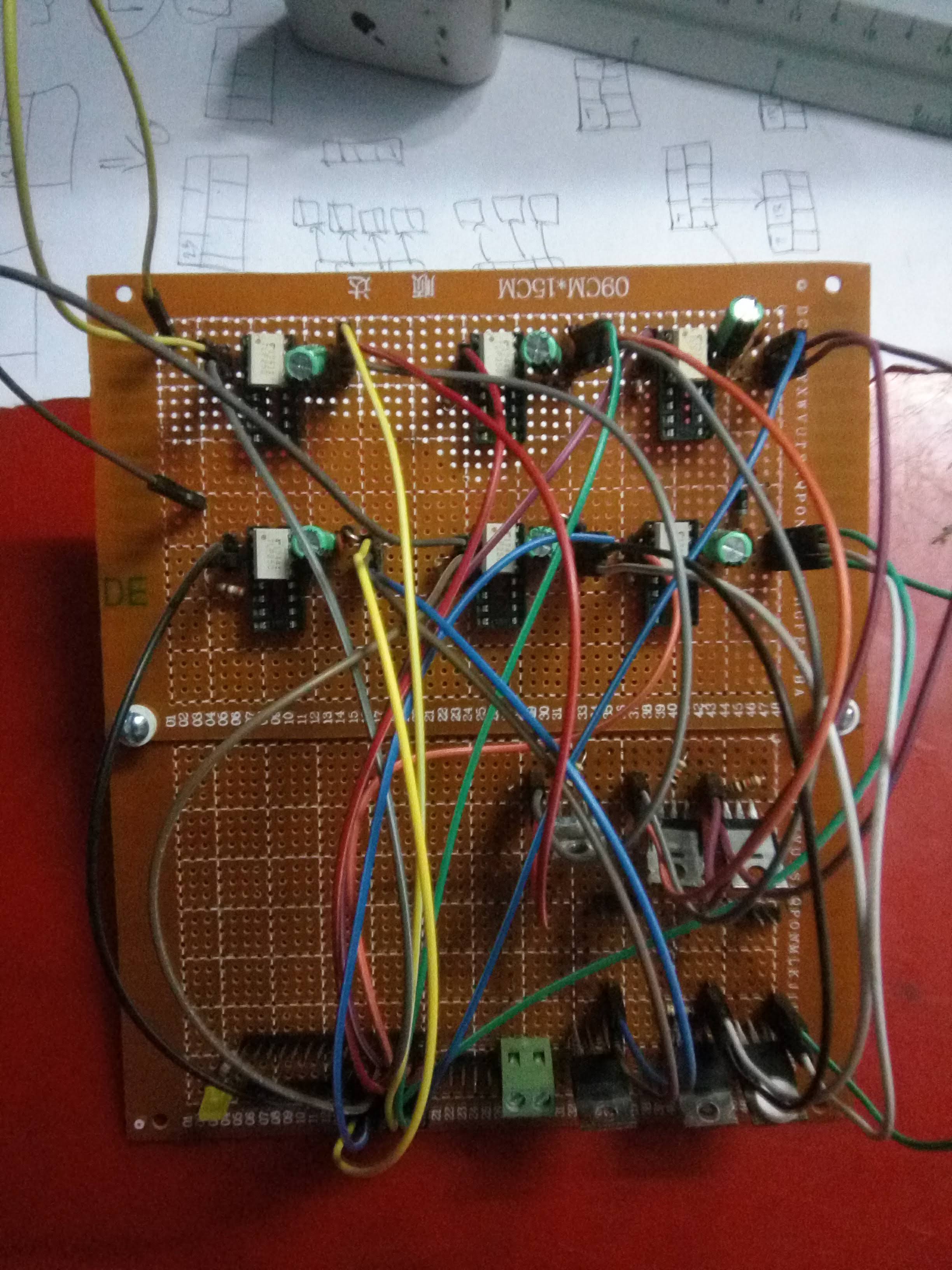
A three-phase electronic speed controller for brushless DC motors, built from three MOSFET
half-bridges gated through TLP250 optocouplers, with bootstrapped high-side drive and
Arduino-synchronized commutation.
Bangla ESPnet — TTS & ASR
Speech Synthesis · Speech Recognition · ESPnet
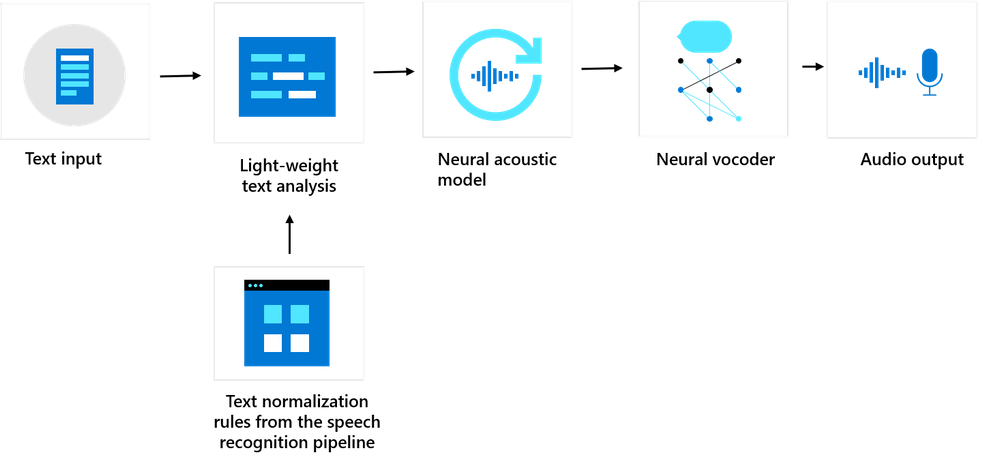
Trained ESPnet's LJSpeech TTS recipe on 360
hours of Google SLR Bangla audio for an end-to-end Bangla TTS system, and its ASR recipe on a
combined 760 hours of Google SLR and Mozilla Common Voice Bangla data — both built as part
of the conversational-AI banking platform at Celloscope.
Fine-tuning Whisper on Bengali
ASR · Low-resource Languages
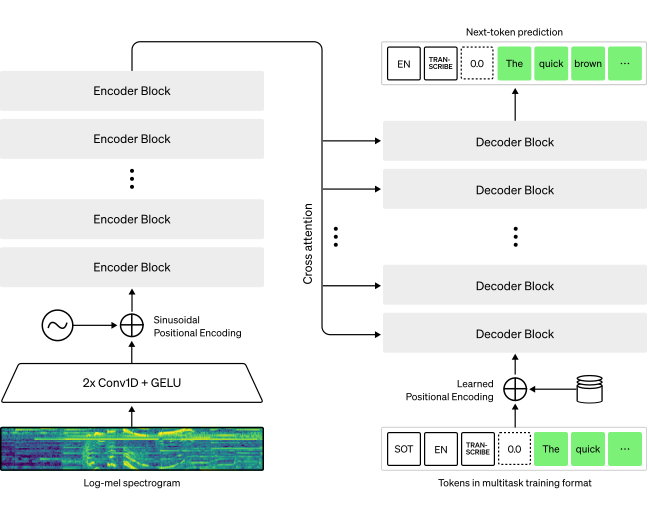
Whisper's Bengali performance lags its
high-resource languages; this project fine-tunes Whisper on large-scale Bengali speech data
to close that gap, with a notebook reusable for fine-tuning on any target dataset.
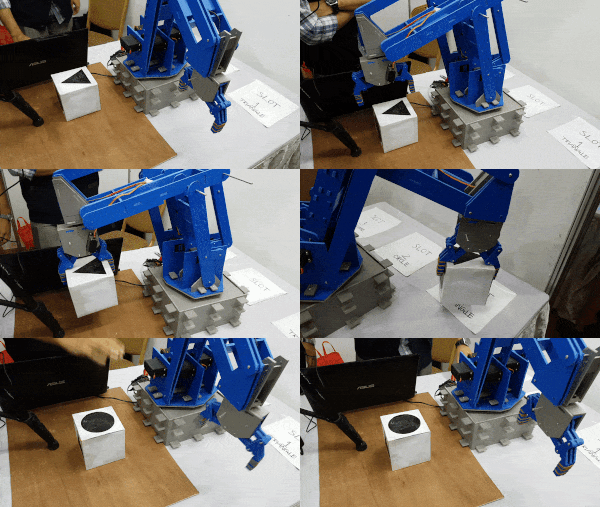
Robotic Arm with Computer Vision for Shape Sorting
Computer Vision · Robotic Arm · Champion, BUET Industrial Automation Challenge 2017
A vision-guided robotic arm that identifies the shape of objects on a running conveyor belt
and sorts them accordingly. Built for a BUET Robotics Society competition — our team won
outright — and later showcased at Digital Bangladesh 2017.
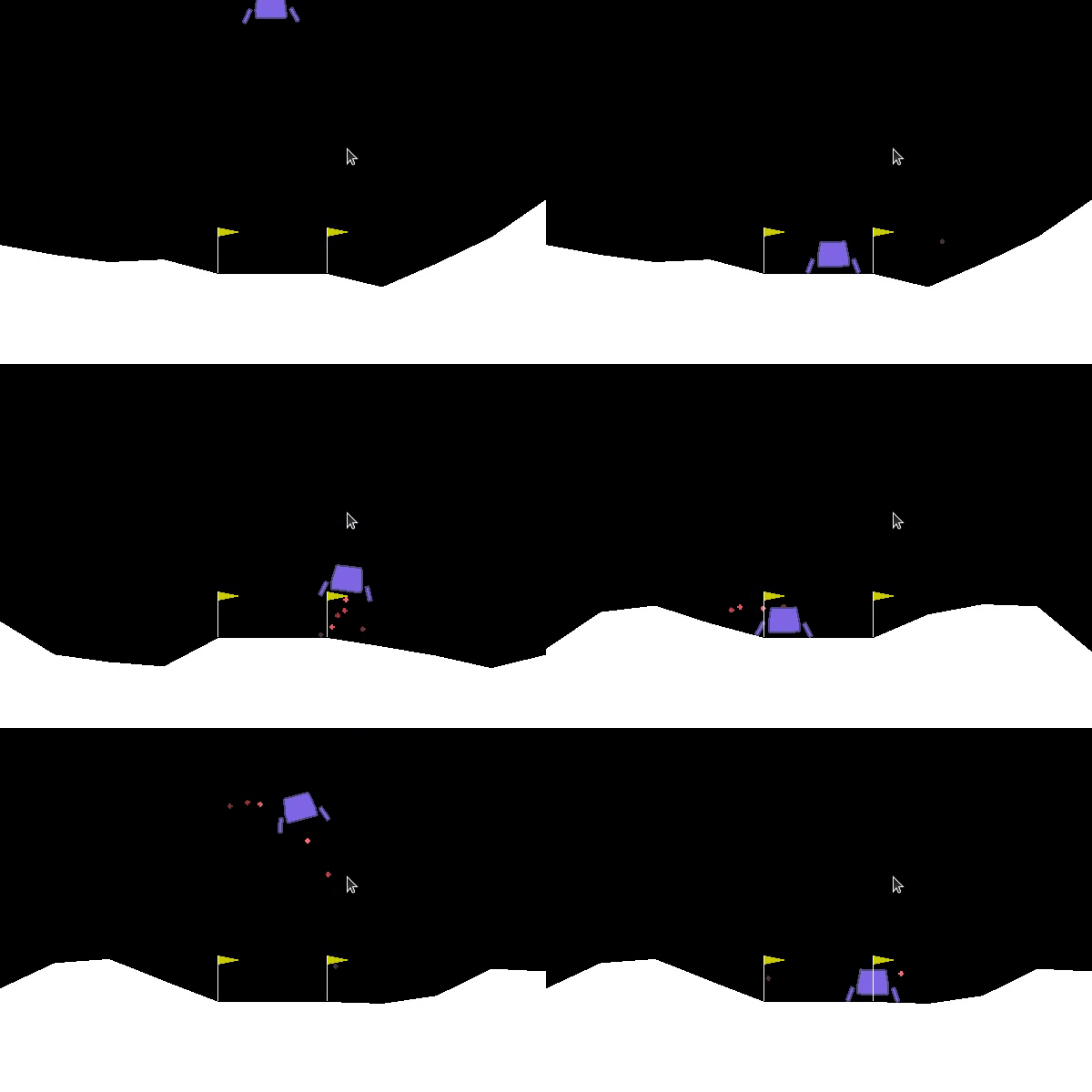
Reinforcement Learning Playground — Lunar Lander & Half Cheetah
Deep Q-Learning · PPO · PyTorch / MuJoCo
Deep Q-learning agent for Lunar Lander (3 fully-connected layers, average score of 106 over
100 episodes), and a Proximal Policy Optimization agent for the MuJoCo Half Cheetah
environment.
Smaller experiments — a GAN trained on my own face, a Flappy Bird RL agent, Diffie–Hellman
end-to-end encryption, MSP430 drivers, a 4-bit SAP computer in Verilog, and more — live on
GitHub.
Publications
Sakib Chowdhury, Raymond Huang, Vanessa Chen, Yi Guo
Submitted to ICRA 2027 (under review)
Recovers a time-varying reference contact force from a single, uninstrumented human demonstration via robot replay and onboard joint-torque sensing, and trains a visuomotor policy that jointly predicts pose and wrench for admittance-controlled deployment.
Sakib Chowdhury, Yi Guo
Submitted to ICRA 2027 (under review)
A single-pass neural motion planner with a torque-constrained time-scaling stage, achieving low and spatially consistent planning latency and improved simulated ball-catching success over classical sampling-based planners.
Sakib Chowdhury, Yi Guo
Submitted (under review)
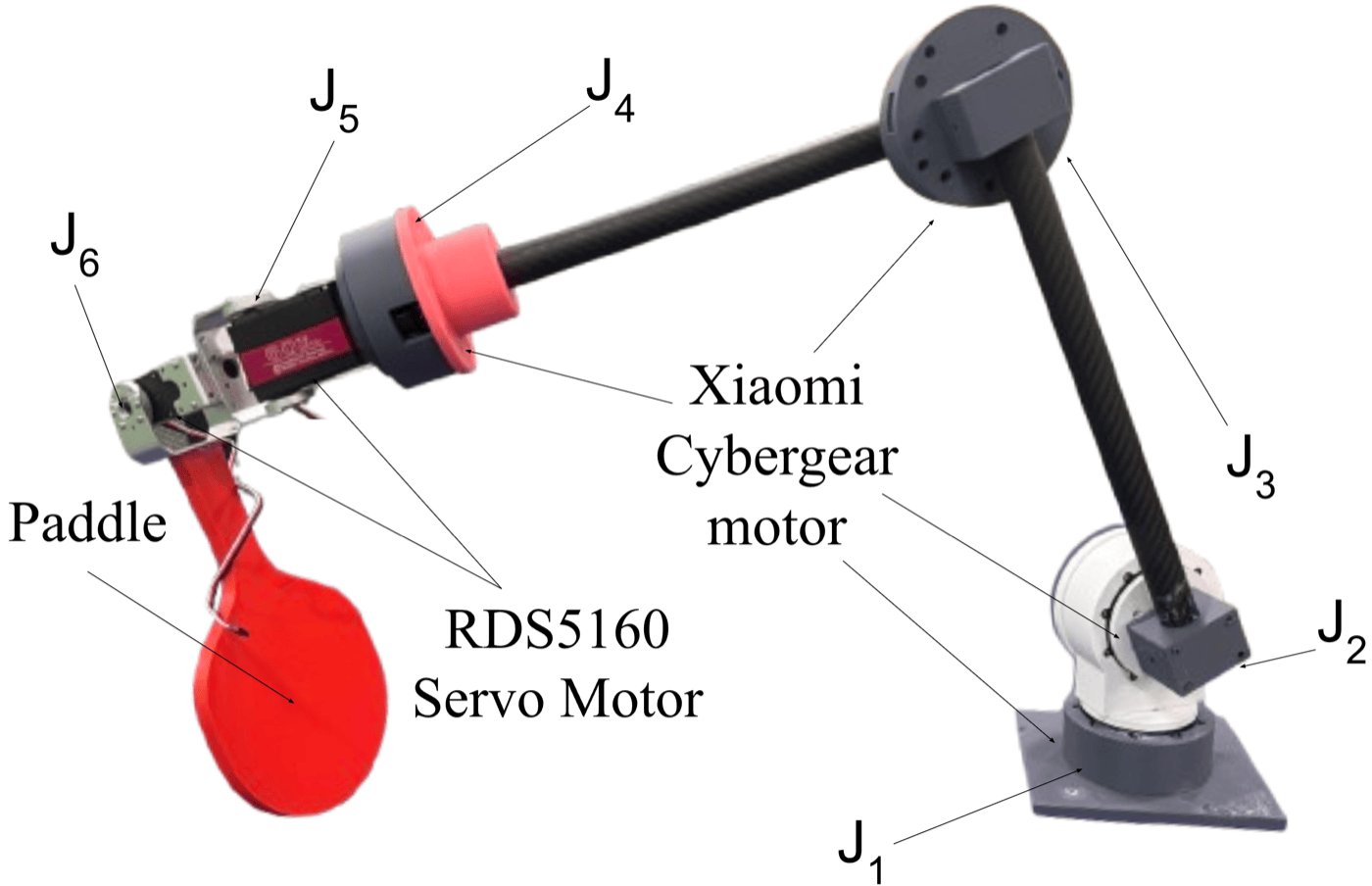
Residual-learning approach to predicting striking position and velocity for a high-speed table-tennis-playing robotic arm from sparse ball trajectory observations.
Syed Monsur, Shariar Kabir, Sakib Chowdhury
EMNLP Bangla Language Processing Workshop, 2023
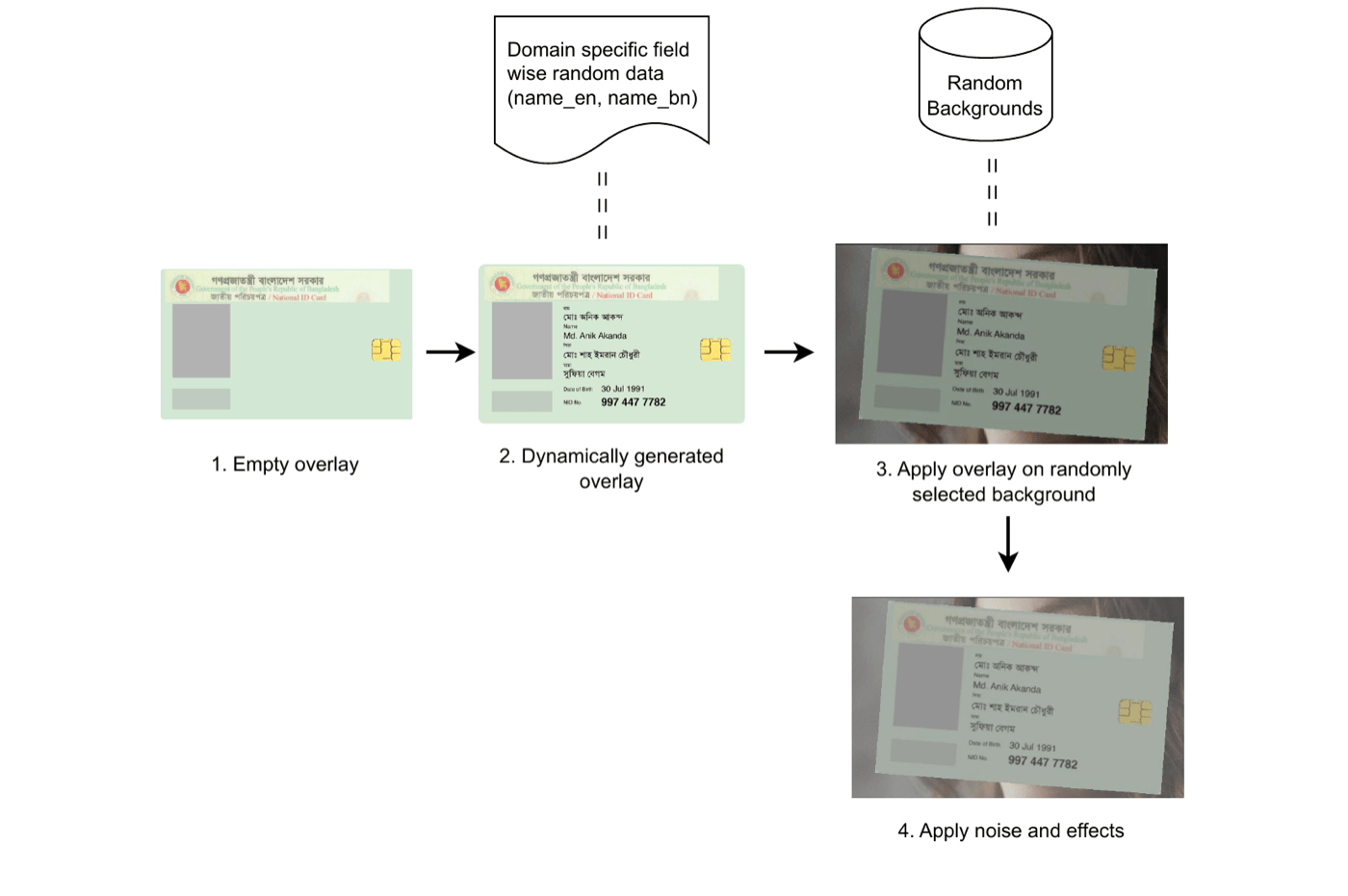
Uses large-scale synthetic document generation to improve key-information extraction from Bangla documents in low-data settings.
Sakib Chowdhury, Dipayon Kumar Sikder, Apratim Roy
IEEE Sensors Journal, Vol. 24, No. 4, 2024 (Undergraduate Thesis)
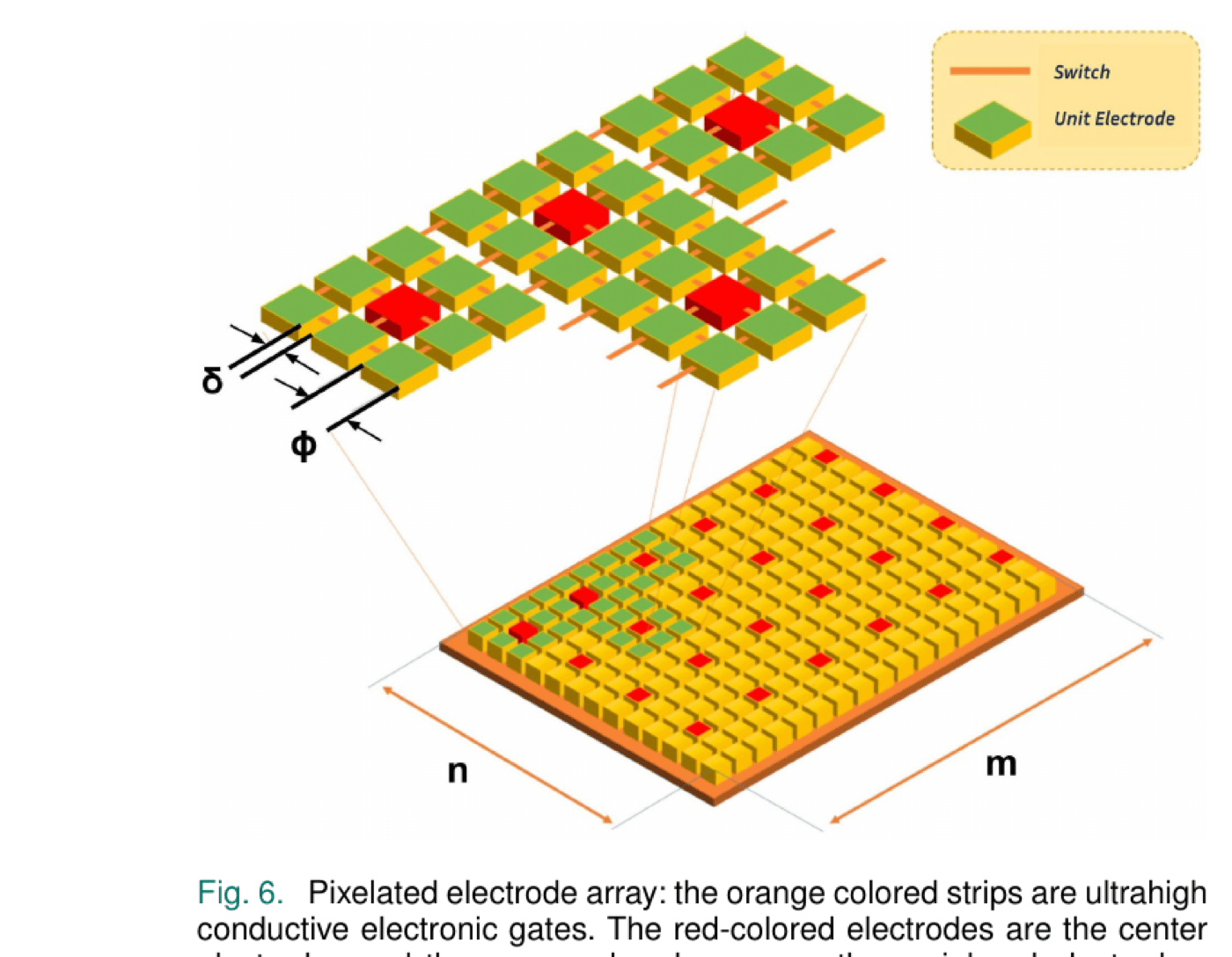
A pixelated sEMG electrode array that modulates electrode size to maximize signal-to-noise ratio across body locations and skin types, reducing sample duration without added computational overhead — suitable for low-power wearables.
Shamir Ahmed, Sakib Chowdhury, A. B. M. Alim Al Islam
Submitted at Heliyon Journal (under review), 2023
A joint optimization scheme balancing sensor energy consumption against data fidelity for continuous, real-time air-condition monitoring.
Sakib Chowdhury, Monjur Morshed, Shaikh Anowarul Fattah
IEEE Sensors Journal, 2022
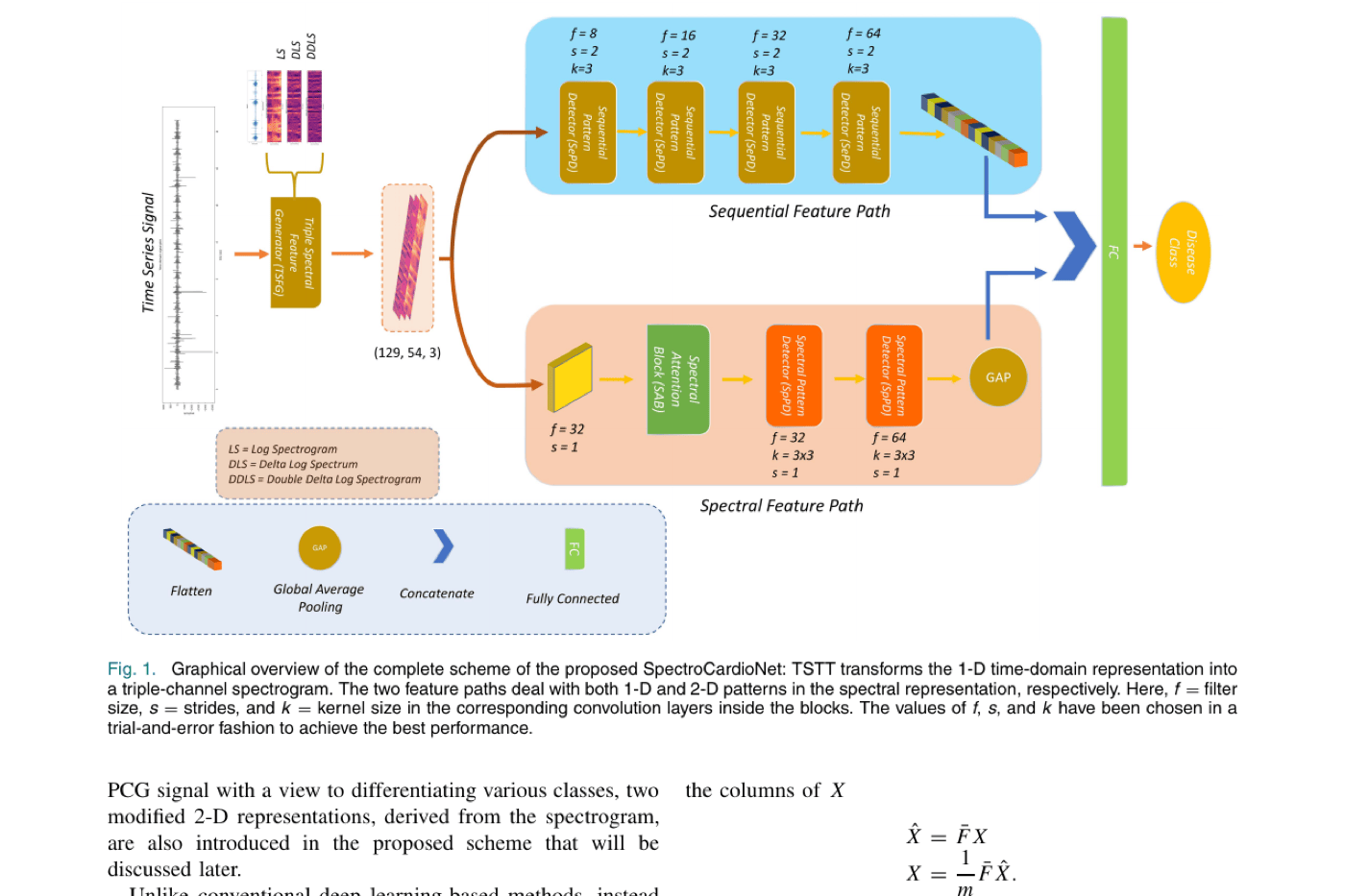
A spectral-attention network over triple-spectrogram (spectrogram, delta, double-delta) representations of phonocardiogram signals for automatic cardiac disease detection.
Syed Mostofa Monsur, Sakib Chowdhury, Md Shahrar Fatemi, Shafayat Ahmed
LREC, 2022
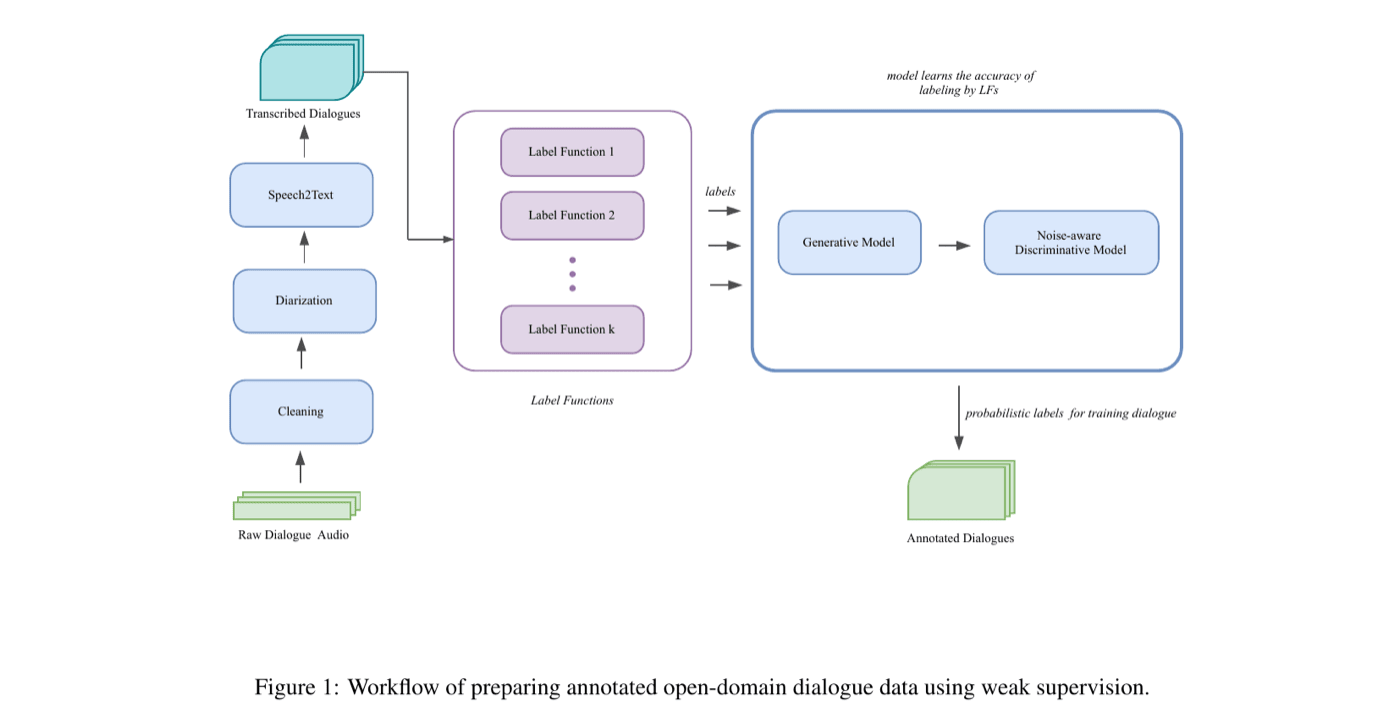
The first large open-domain Bengali dialogue corpus, built from public multi-party podcasts and talk-shows via weak supervision, improving downstream fine-tuning of Bengali language models.
Tanvir Mahmud, Md Jahin Alam, Sakib Chowdhury, Shams Nafisa Ali, Md Maisoon Rahman, Shaikh Anowarul Fattah, Mohammad Saquib
IEEE Transactions on Industrial Informatics, 2021
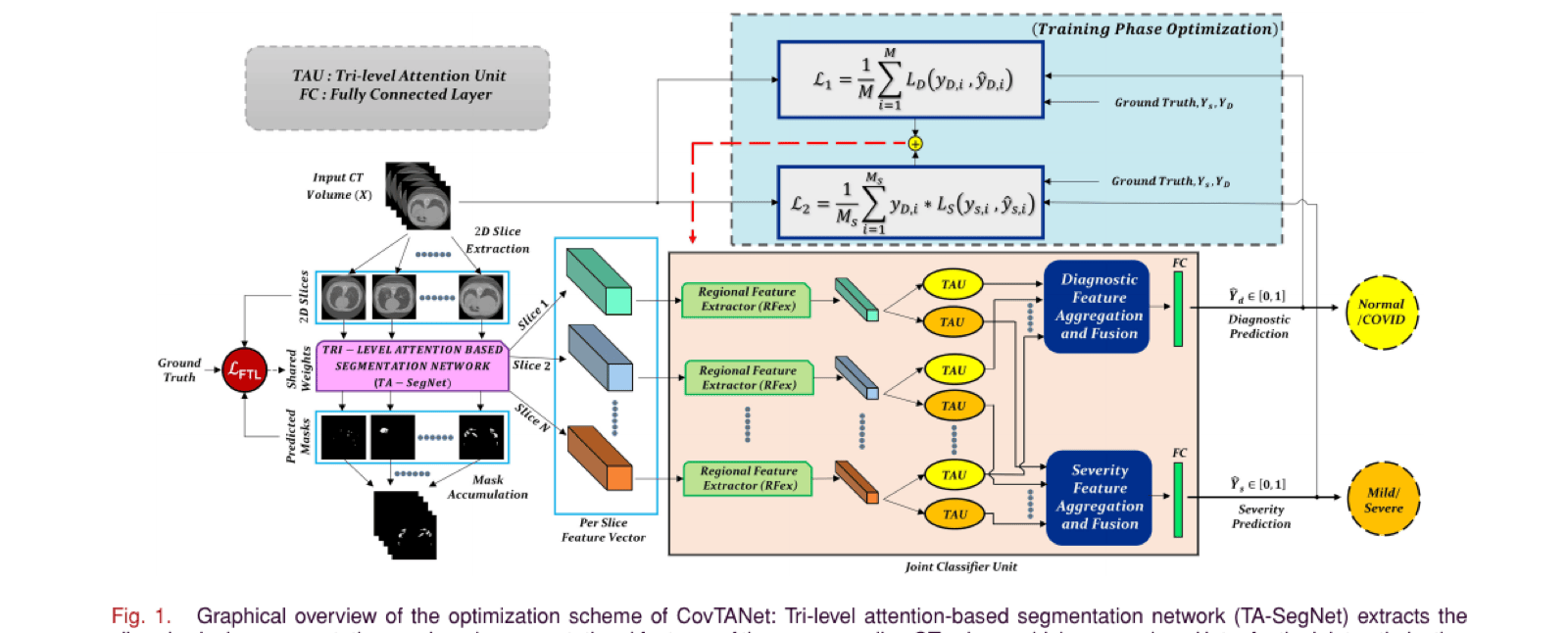
An end-to-end clinical pipeline for COVID-19 chest CT scans combining a tri-level (channel, spatial, pixel) attention segmentation network with joint diagnosis and severity prediction.
Sakib Chowdhury, Md Latifur Rahman, Shams Nafisa Ali, Md Jahin Alam
ICECE, 2020
A parallel RNN architecture that fuses Word2Vec, GloVe, and sentiment-specific word embeddings for Twitter sentiment polarity detection.
Experience
2023 – Present
Graduate Researcher
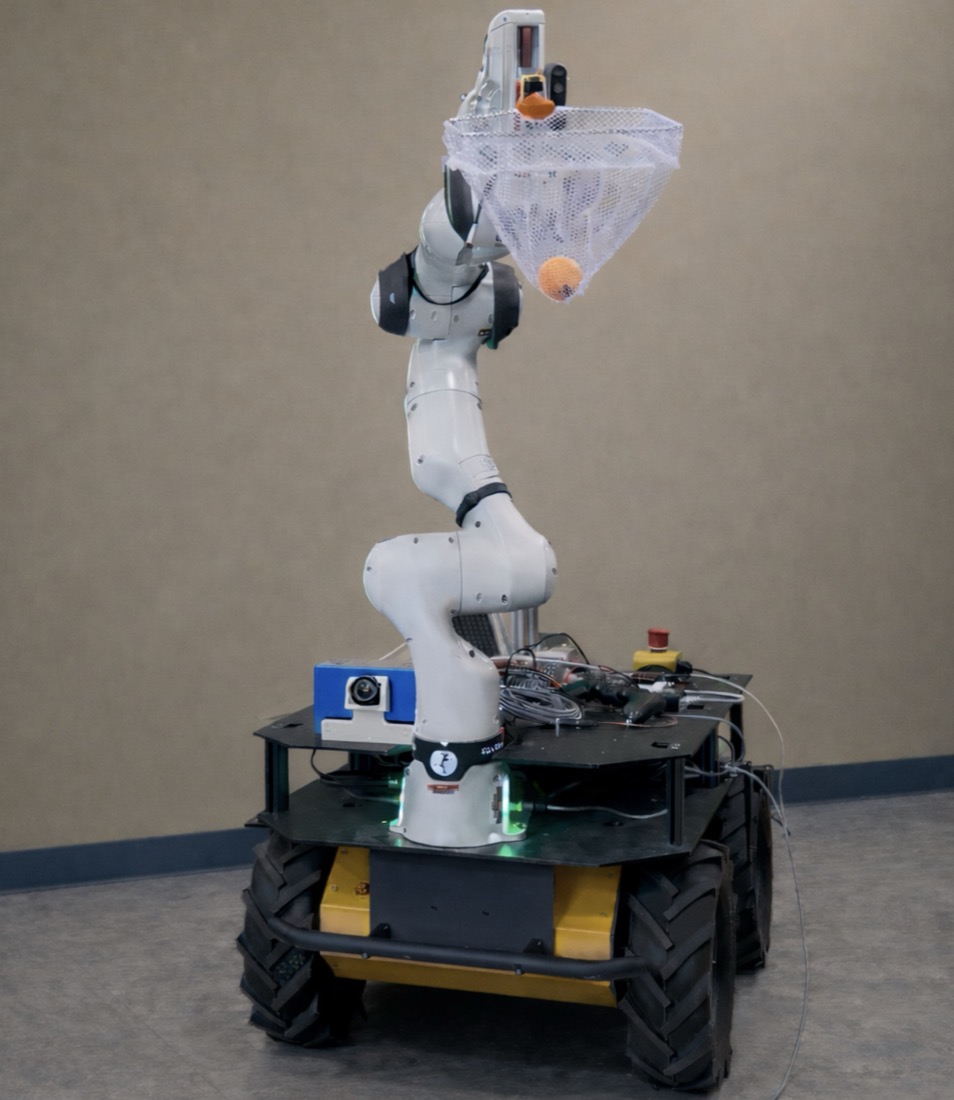
Developed and trained convolutional motion planners in PyTorch for ultra-high-speed motion
planning in mobile manipulators, with a PyBullet simulation environment for a Franka Emika Panda
arm mounted on a Husky base. Transferred trained planners from simulation to the real robot, and
applied ONNX quantization for faster inference on NVIDIA A6000 GPUs — a 10x speedup over
classical planners (RRT, PRM) in the ROS MoveIt framework. This work was partially supported by
the US National Science Foundation.
2021 – 2023
Machine Learning Engineer (AI)
Built Bangladesh's first voice banking system — a speech-to-speech interface for balance
transfers and inquiries, integrated into Agrani Bank's app — and a production license-plate
detection and recognition system deployed at a toll plaza, using document-understanding
transformers in place of traditional OCR.
2021 – 2022
Research Assistant (Part-Time)
Developed a system that detects train derailment from up to 1200 meters away by sensing
track vibrations, under
Dr. A. B. M. Alim Al Islam.
2020 – 2021
Intern Engineer (IoT)
Worked on BOLUS, a cattle health monitoring device implanted in dairy cows for up to five years,
streaming movement, temperature, and health data to a remote AI system.